

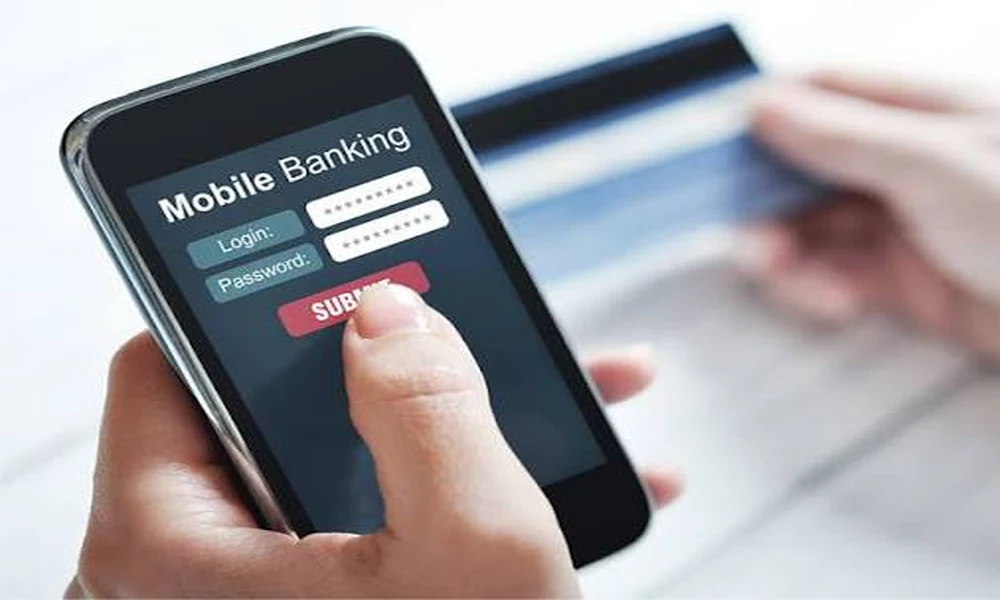
Malaysians were paying online straight from their bank accounts long before regional QR codes and e-wallets became common. The mechanism behind most of those payments is FPX, and for many local shoppers it is simply how online checkout works. Understanding how an fpx payment gateway operates, where it performs well and where it loses customers helps merchants design a checkout that converts, especially now that DuitNow offers an alternative on mobile.
What FPX Is
FPX, short for Financial Process Exchange, is Malaysia’s established online banking payment network, operated by PayNet. At checkout, the customer selects their bank, is redirected to their internet banking login, approves the payment and returns to the merchant’s site. Funds move in real time and the merchant receives a definitive status, which is what makes automated order release possible. FPX reaches customers of roughly 30 banks, which covers virtually every retail banking customer in the country. Business accounts at many of those banks can use it too, through corporate internet banking.
Why Malaysians Trust It
Familiarity is FPX’s biggest strength. It has been the default way to pay online in Malaysia for well over a decade, and customers recognise their own bank’s login page and security steps. Because the payment is authorised inside the customer’s bank, there is no card number to enter and no card data for the merchant to store. For many shoppers, seeing FPX at checkout signals that a site is a legitimate Malaysian business.
How a Payment Flows
A typical payment follows a predictable sequence:
- The customer chooses online banking and selects their bank
- They are redirected to their bank’s login page
- They log in and approve the payment, often with a one-time code
- The bank confirms the payment to the network in real time
- The customer returns to the merchant with a success or failure status
Where Customers Drop Off
The redirect flow is also FPX’s weakness. Every extra step, from choosing a bank to logging in and entering a code, is a point where a customer can abandon the payment. On mobile, switching between the merchant’s page, the bank’s site and an authentication app can be awkward. Forgotten passwords and session timeouts add further friction. Merchants who track where their fpx payment gateway transactions fail often find that most drop-offs happen at the login stage rather than at approval.
Bank Availability and Maintenance
Individual banks schedule maintenance, often late at night or at weekends, and some suffer occasional slowdowns. When a customer’s bank is unavailable, an FPX payment simply cannot complete. Good gateways monitor bank availability and can hide or flag unavailable banks at checkout, or steer customers to another method. This matters most for merchants whose traffic peaks in the evening, when maintenance windows are more likely.
How DuitNow Compares
DuitNow is built on Malaysia’s Real-time Retail Payments Platform, also operated by PayNet. Its QR version lets customers scan a code with any participating banking or e-wallet app and approve inside the app, with no redirect or separate login. That suits mobile users well. FPX remains strong on desktop and for customers who prefer online banking. Many merchants offer both and let the device and the customer’s habits decide which appears first.
E-Wallets in the Mix
Malaysia’s e-wallets, led by Touch ‘n Go eWallet, GrabPay, Boost and ShopeePay, have grown quickly, especially for smaller and mobile purchases. DuitNow QR makes a single code readable by many of these wallets as well as bank apps. Offering wallets alongside FPX captures customers who prefer them, but FPX still tends to handle a large share of higher-value online payments because it draws directly on bank balances.
Settlement and Reconciliation
FPX gives a clear success or failure status for each payment, which makes reconciliation simpler than manual transfers. Merchants should check how quickly a gateway settles funds in ringgit, what fees apply and how refunds are handled, since FPX payments cannot be reversed in the same way as cards. Refunds are usually sent back as separate transfers, often through DuitNow, which can reach any Malaysian bank account quickly.
Integration Considerations
Most merchants connect to FPX through a payment gateway rather than directly, since direct participation involves bank agreements and certification. A gateway typically provides a single API covering FPX, DuitNow and e-wallets, with signed notifications to confirm payments. Look for clear documentation, a test environment and a sensible checkout design that shows the most popular banks first and works well on small screens.
Tips for Better Conversion
Small changes to the checkout can noticeably improve completed payments:
- Show the most popular banks first in the selection list
- Offer DuitNow QR prominently on mobile devices
- Flag banks that are under maintenance before customers choose them
- Send customers to an alternative method when a payment fails
Getting the Most From Online Banking Payments
Treat FPX as a core method rather than a legacy option, but pair it with DuitNow and wallets so customers always have a path that suits their device. Monitor failure points and bank availability, and keep the checkout simple. A comparison of FPX and DuitNow performance is a useful reference when deciding how to present the two rails and route customers between them.
